The Microphone Left On: Why the Post-Finale Podcast Is Now the Actual Reunion
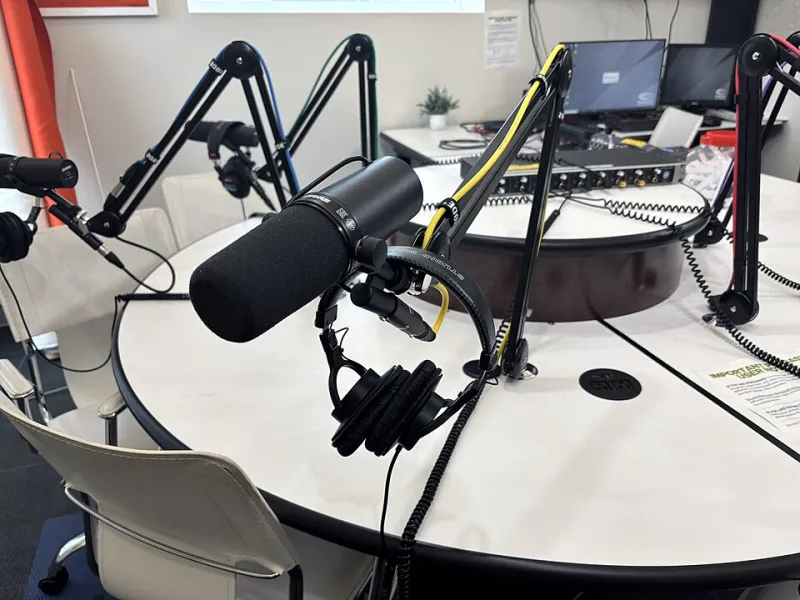
Photo: Myotus, CC BY 4.0, via Wikimedia Commons
The reunion used to be the last word. In 2026, it is increasingly just the trailer.
Within days of a finale, cast members are in a rented studio or a friend's kitchen, mic'd up, logo graphic already designed, dropping episode one of a podcast that promises the 'real' story. The show got the edited version. The podcast gets the aftershow, the grievances, the receipts, and the sponsor read for a telehealth app. For fans, it is catnip. For networks, it is a new front in the talent wars. For anyone who thought the group chat would go quiet after the final rose, the final vote, or the final dinner-party meltdown, bad news: the group chat has an RSS feed now.
The Finale Ends. The Feed Starts.
Post-season podcasts are not new. Former contestants have been monetizing their 15 minutes since the early 2010s. What changed is speed and infrastructure. By late 2026, a cottage industry of producers, editors, and clip cutters stands ready to turn a cast member's first post-finale vent into a weekly show. Some launch within 72 hours. Others tease the feed before the finale airs, collecting subscribers on the promise of unaired context.
The economics are simple. A reality TV alum with 300,000 followers can sell a mid-roll ad package faster than they can negotiate a network appearance fee. Podcasting offers ownership, intimacy, and a release valve. It also offers something the show cannot: unlimited runtime. A three-minute reunion segment becomes a 45-minute podcast chapter.
Grievance as a Weekly Segment
The messiest material is rarely the stuff that makes air. It is the argument that happened after cameras stopped, the contract clause that soured a friendship, the producer note that felt like a betrayal. On a podcast, those stories do not need to fit a broadcast clock. They can stretch across episodes, spawn follow-ups, and invite the other side to respond.
That structure rewards conflict. Listeners tune in for resolution and stay for the next installment. A cast member who claims they were misrepresented can build a season-long arc around one unaired scene. A villain can rebrand by explaining the edit. A fan favorite can lose the halo by talking too much. The podcast becomes a second edit, one the subject controls — at least until a former castmate launches a rival show.
Networks Do the Math
Networks and producers are not sitting out. In 2026, more contracts include podcast and social-media language, though enforcement varies wildly. Some shows now offer companion podcasts hosted by eliminated contestants, a way to keep the franchise in the feed between seasons. Others quietly encourage talent to wait until after the reunion airs, protecting a ratings window.
The tension is familiar: talent wants independence, and the show wants the narrative. When a cast member's podcast contradicts the broadcast edit, fans notice. When it confirms the edit, it becomes free marketing. The smartest producers treat the post-season feed as an extension of the show's universe, not a threat. The smartest talent treats the network as a partner until the sponsorship money makes independence feel less urgent.
The Interview That Never Makes the Show
The most explosive conversations often happen on a podcast that has nothing to do with the franchise. A former contestant drops by a friend's show, says one sentence about a wedding, a fight, or a check that never cleared, and the clip is everywhere before lunch. The show cannot cut around it. The network cannot issue a statement fast enough. The fan community cannot decide whether to believe it.
That is why the podcast economy feels less like aftershow content and more like a parallel press corps. The participants are not journalists. They are sources, narrators, and monetized witnesses. The result is a stream of off-camera context that is sometimes revelatory and sometimes just raw. Fans learn to separate the receipts from the riffing. Brands learn to sponsor both.
What Fans Get — and What They Lose
The upside is transparency, or at least the performance of it. A contestant can explain a decision without a producer's voice in the room. A friendship can be eulogized in real time. A feud can be settled, or extended, on a schedule.
The downside is that the reunion — the one the network produces — starts to feel like a formality. If the real conversation happens on a podcast three days later, why watch the hosted special? The answer is that most fans do both. They want the polished event and the messy commentary. They want the group photo and the group chat.
As of mid-November 2026, the post-show podcast is not a side hustle. It is the aftershow, the press tour, and the group chat with a microphone. The finale still ends the season. It no longer ends the story.