The Crew Talks. Just Not on the Record: What Reality TV's Behind-the-Scenes Workers Say When the Cameras Stop
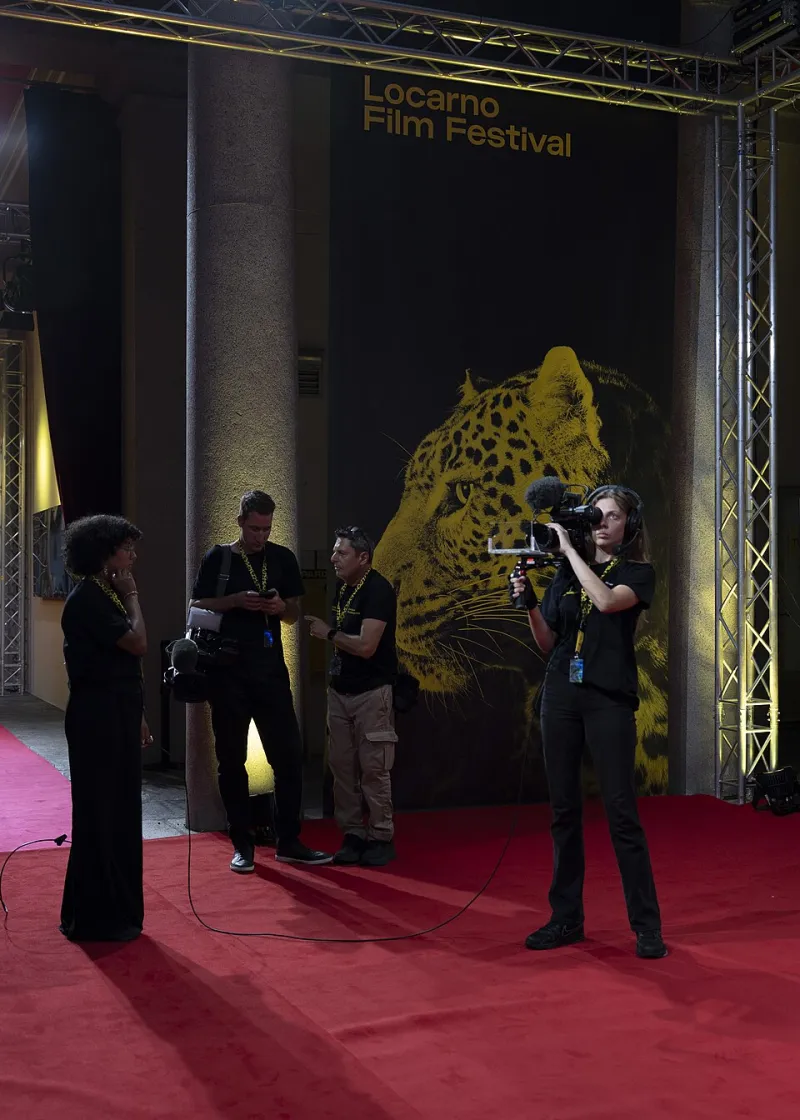
Photo: Kalai Ramu, CC BY-SA 4.0, via Wikimedia Commons
Everyone thinks they know how reality TV works. The producers engineer the drama, the editors make villains, the confessionals are basically interrogation rooms. We've covered all of that here at Realiteti before.
But there's a whole layer of the machine that almost never gets discussed: the crew. The PAs hauling cables at 2 a.m., the camera ops who caught the moment on a private feed, the story producers who know exactly which line of dialogue was fed to whom. They sign agreements so aggressive that some of them asked us not to describe the agreements themselves.
They still talked. A lot. Here's what they said — with names, shows, and identifying details stripped out for obvious reasons.
The NDA Isn't a Document, It's a Lifestyle
Multiple crew members described the same onboarding ritual: a thick confidentiality agreement signed alongside payroll paperwork, followed by a verbal warning that was somehow scarier than the contract.
"They don't say 'you'll be sued,'" one former story producer told us. "They say 'you'll never work in this town again.' Same thing, scarier."
The NDAs typically don't expire, which is why every single person we spoke to insisted on anonymity. One camera operator who worked on a dating franchise said former colleagues have been pursued legally over social media posts as innocuous as a photo of a craft services table. The lesson got absorbed fast: say nothing, post nothing, like nothing.
And yet — people talk. Off the record, at industry parties, in group chats that auto-delete. The tea doesn't disappear. It just goes underground.
What They Actually See (And You Never Do)
Ask any crew member about the wildest off-camera moment and you'll get a story within seconds. The themes repeat:
The producers' off-switch. One PA described watching a heated confrontation between two contestants evaporate the instant a producer called cut — hugs, laughter, someone asking if anyone wanted coffee. "They hated each other for eight hours a day and were friends the rest of the time. The show only existed in the eight hours."
The hotel situation. On location shoots, crew and cast sometimes stay in the same accommodations. Several people described the surreal experience of riding an elevator with a cast member who'd been crying on camera an hour earlier, both of them pretending the other didn't exist.
The reshoot. Yes, reality shows reshoot. One camera op admitted to filming a "spontaneous" reaction shot three separate times because the first two takes didn't have the right energy. The contestants, by that point, knew exactly what face to make.
The exit they don't air. More than one person described contestants leaving productions in ways that never made the edit — walked off set, removed after a medical episode, or quietly sent home after a background check turned something up. The on-air version is usually "left for personal reasons." The off-air version is usually messier.
The Ethical Lines They Say Get Crossed Daily
This is where the conversation got heavier. Nobody we spoke to claimed to be a whistleblower with a moral crusade. But several described a creeping discomfort that eventually pushed them out of the industry.
A former story producer on a competition show said the job was, functionally, manipulating people who were exhausted, isolated, and slightly drunk on fame. "You're taking people who haven't slept properly in three weeks and asking them loaded questions until they say something usable. It works every time. That's the problem."
Another described the alcohol situation on a party-heavy franchise as "basically a design feature," with production well aware that loose inhibitions make better television. Whether that constitutes informed consent is a debate that's been running in Hollywood for years — and according to our sources, it hasn't changed much on the ground.
The most common complaint, though, was simpler: the edit. Crew members watch episodes knowing exactly what was said, in what order, and in what context. Seeing a scene rearranged into something that didn't happen — "frankenbiting," as it's known in the industry — was cited by two people as the moment they decided they were done.
Why They Don't Just Come Out and Say It
Fair question. A few told us they'd considered going on the record. All of them eventually did the math.
Reality TV production is a tight-knit, gossip-fueled industry where everyone knows everyone. One named accusation, even a fair one, and you're radioactive. Several sources pointed to the handful of public exposés and former cast lawsuits over the last few years as evidence that the industry punishes transparency slowly, thoroughly, and with excellent lawyers.
So the whispers continue — at wrap parties, in Signal threads, and occasionally, with enough anonymity layered on, to entertainment sites like this one.
What Fans Should Do With All This
We're not telling you to stop watching. Frankly, we won't stop either. But a few of our sources offered the same parting thought: watch with the understanding that every "shocking moment" you see passed through about forty pairs of hands before it reached your screen.
The contestants signed up for it. The crew signed NDAs about it. And the rest of us? We're the audience it was all manufactured for.
The least we can do is know how the sausage gets made. Even if nobody's allowed to admit they made it.