That Little Room Was Never Your Friend: The Dark Psychology Behind Reality TV Confessionals
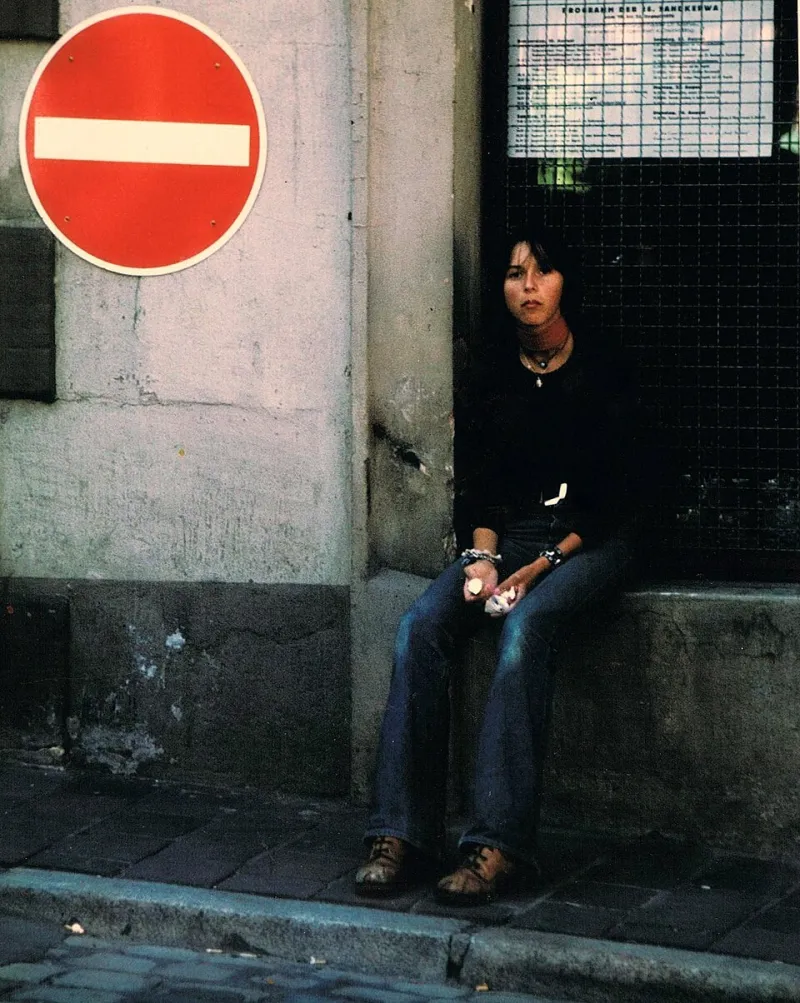
Photo: Stiller Beobachter from Ansbach, Germany, CC BY 2.0, via Wikimedia Commons
You've seen it a thousand times. A contestant sits in a small, warmly lit room, looks directly into the camera, and says something that absolutely torches their game, their reputation, or their relationship — sometimes all three at once. The clip goes viral. The memes follow. And somewhere, that same person is staring at their phone wondering how they ended up saying that on national television.
The answer isn't stupidity. It isn't carelessness. It's something far more deliberate.
The Room That Feels Like a Confession Booth
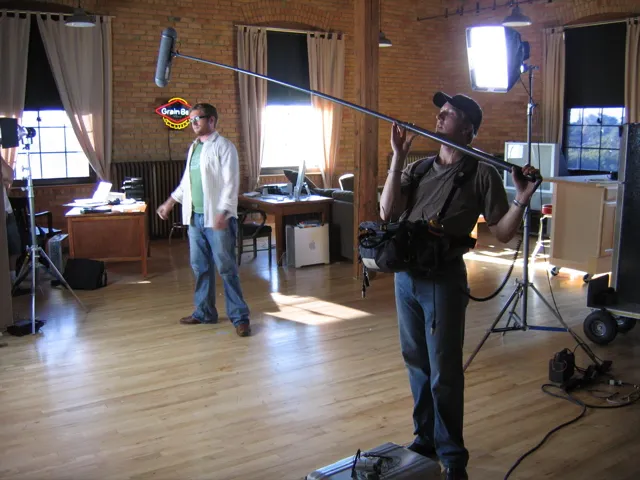
Production designers on unscripted shows don't pick the confessional setup by accident. The physical environment is constructed to lower your guard. Soft lighting. A chair that's slightly more comfortable than the ones in the main house or competition space. No other cast members around. Just you, a camera, and a producer whose entire job is to make you feel like you're having a private conversation.
"The whole aesthetic is designed to feel like you're venting to a friend," said one former reality TV producer who asked to remain anonymous. "The second someone sits down, they're already in a different headspace. They're not performing for a group anymore. They think they're just talking."
That shift — from group environment to perceived intimacy — is where the psychological work really begins. Social psychology research has long established that people disclose more in one-on-one settings, especially when the other person appears warm, non-judgmental, and genuinely interested. Producers are trained to project exactly that energy, regardless of what they actually plan to do with the footage.
The Question You Weren't Expecting
Here's a trick that former contestants have described repeatedly in post-show interviews: the leading re-statement. A producer doesn't ask, "Do you like your castmate?" They say, "So you're saying you actually can't stand being around them?" The contestant, trying to clarify or soften the framing, ends up repeating the premise back — on camera, in their own words.
Editing does the rest. The producer's voice gets cut. What remains is the contestant appearing to volunteer a brutal take completely unprompted.
Former Big Brother houseguests have talked about this in fan podcasts for years. The DR — short for Diary Room, which is BB's version of the confessional — is notorious for what fans call "DRs that feel scripted." Multiple former players have described being asked to re-record responses using specific phrasing, or being kept in the room for extended sessions until they said something producers found usable.
"They'd ask me the same question six different ways," one former houseguest recalled in a 2022 fan interview. "By the fourth or fifth version, you're just exhausted and you say something you wouldn't normally say just to get out of there."
Fatigue Is a Feature, Not a Bug
That exhaustion isn't incidental. Sleep deprivation is a well-documented reality on many of these shows — contestants are often kept on irregular schedules, filmed late into the night, and denied the kind of downtime that allows rational thinking to recover. Walking into a confessional after 19 hours of filming, two cocktails at a producer-supplied happy hour, and a fight with a castmate is a very different experience than sitting down fresh and rested.
Emotional flooding — the state you're in right after a conflict or a high-stakes moment — is also prime harvesting time for production. Contestants describe being pulled into the confessional immediately following blowups, while they're still activated and raw. That's not scheduling convenience. That's strategy.
Dr. Pamela Rutledge, a media psychologist who has written about reality TV production, has noted in various interviews that the combination of isolation, emotional arousal, and perceived intimacy creates conditions that are "almost textbook for eliciting disclosure." In other words: the show is not waiting for you to feel better. It's counting on the fact that you don't.
The Illusion of the Safe Space
Perhaps the cruelest part of the confessional dynamic is the implicit promise that it's somehow separate from the game. Contestants — especially first-timers — often describe going into the room thinking their candid thoughts won't necessarily make the final cut, or that the producer sitting across from them is genuinely on their side.
Neither of those things is true.
Everything recorded in that room is owned by the production company. Contracts signed before filming typically grant producers broad rights over how footage is used. And the producer you're talking to? Their professional success depends on getting compelling content, not protecting your dignity.
"I genuinely thought she was my friend," a former Survivor contestant said in a 2023 podcast. "We talked every day in those sessions. I told her things I hadn't even told my alliance. And then I watched the show and realized none of that connection was mutual. She was doing her job."
This dynamic — parasocial attachment to a producer who holds all the power — is one of the least-discussed but most psychologically significant aspects of reality TV production.
Why Smart People Still Fall For It
It would be easy to write this off as naivety. But the contestants who get burned in confessionals aren't uniformly inexperienced or unsophisticated. Lawyers, therapists, and communication professionals have all had their words weaponized by a well-timed confessional session. Intelligence doesn't fully insulate you when the structural conditions are designed to bypass your rational defenses.
What does help — slightly — is going in with a prepared mindset. Veteran players on returning-cast seasons often talk about treating every confessional as a live broadcast. Assume everything you say will air. Assume the framing question is a trap. Answer what you want to say, not what you're being led toward.
But even that discipline erodes over weeks of filming, emotional strain, and the relentless social pressure of living in a manufactured environment.
The Receipts Are Always Rolling
The confessional booth isn't going anywhere. It's too valuable a storytelling tool, and frankly, too reliable a drama engine for networks to abandon. What's changing — slowly — is contestant awareness. The rise of reality TV podcasts, post-show debrief culture, and social media transparency means that more people are entering these shows with at least a partial understanding of the machine they're walking into.
But understanding the trap and avoiding it are two very different things. The room is still warm. The producer is still nodding. And somewhere in the middle of your fourth hour of filming, your guard is going to slip.
That's not a flaw in the system. That is the system.