Live-Tweet, React, Repeat: Why Watching Reality TV Alone Is Basically Obsolete Now
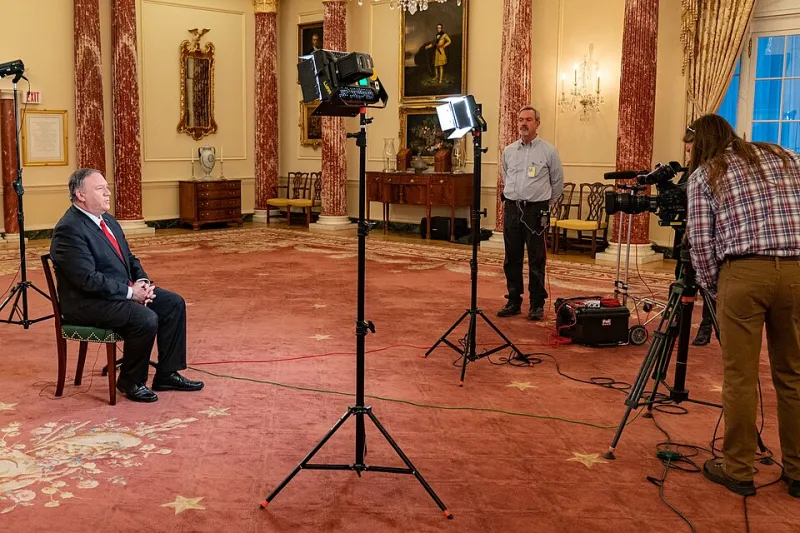
Photo: U.S. Department of State from United States, Public domain, via Wikimedia Commons
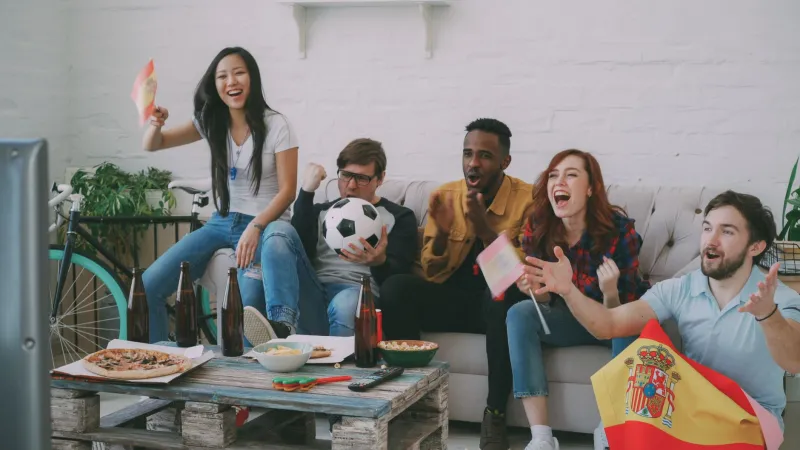
Remember when watching TV was, like, watching TV? You sat down, you saw who got eliminated, and you found out what your coworker thought about it the next morning by the coffee machine. That person is gone. They've been replaced by a Discord server with 40,000 members, a TikTok reaction economy, and a group chat that lights up like a slot machine every Sunday at 8 p.m. Eastern.
Reality TV didn't just survive the social media era — it got rebuilt around it. And after talking to the people who run some of the biggest fan communities in the game, we can confirm: the second screen isn't the side dish anymore. It's the meal.
The Water Cooler Got a Group Chat Upgrade
Ask any superfan moderator where the real show happens and they'll point you away from the screen. "The episode is maybe 40% of the experience," one longtime moderator of a 90,000-member reality TV Discord told us. "The other 60% is the live thread. People plan their whole night around it. They mute their family."
The numbers back this up. Live episode threads on X regularly pull tens of thousands of posts per hour during major franchise finales, and reaction creators can pull millions of views on a single cut-to-cam scream before the episode is even done airing on the West Coast. There's a whole generation of fans who have literally never finished an episode without a second screen glowing beside them.
The old water cooler was passive — you consumed, then you discussed. The new model is simultaneous. You're not reacting to the show; you're performing your reaction for an audience in real time, and that performance is part of the content itself.
Showrunners Are Designing for the Trend Page
Here's where it gets a little uncomfortable. Once fandom became the main event, producers started engineering episodes with the trend page in mind.
Look at the structure of a modern episode and you can practically see the timestamps. The shocking betrayal doesn't happen at the 22-minute mark by accident — it happens right before the hour so it peaks while the East Coast is live-posting and the West Coast is just tuning in. The clip that goes viral isn't the best moment of the episode; it's the most decontextualizable one. A four-second eye roll travels further than four minutes of actual explanation, and producers know it.
"You can smell the engineered ones," the same moderator told us. "If a moment is weirdly isolated, if nobody in the house reacts to it the way the internet does, if it feels like it was shot for the thumbnail — that's a plant. The organic ones feel messy. They catch fire because fans chose them, not because a producer underlined them."
Our very unscientific taxonomy, based on how recent viral moments spread:
- The Engineered Trend: A confrontation with suspiciously perfect lighting, a catchphrase that sounds focus-grouped, a twist reveal timed to the top of the hour. Spreads fast, dies fast.
- The Organic Fire: A small, weird moment nobody at production flagged — a contestant's facial expression, an offhand comment that a fan clips and recontextualizes. These burn longer and actually shape a contestant's legacy.
- The Accidental Explosion: Nobody's fault, nobody's plan. A fan theory posts on a Tuesday and by Thursday the show's own cast members are responding to it. Production spends the rest of the season reacting to the fandom instead of the other way around.
The Fans Are Now Part of the Show
The strangest part of all this? The feedback loop. Contestants watch the live threads while the season airs. Producers monitor sentiment. Casting teams scroll reaction TikToks to figure out who to bring back. The fandom isn't commenting on the product — it's steering it.
"We've had cast members join our server quietly," one moderator admitted. "Lurking. Reading. You can tell when a contestant has seen the discourse because their post-show interviews start using our vocabulary."
That's a wild inversion. The audience used to find out what happened on the reunion. Now the reunion has to respond to what the audience already decided three weeks earlier in a TikTok comment section.
Is Any of This Bad? Eh. Mostly No.
The purists will tell you second-screen culture ruins viewing, that nobody absorbs a show anymore, that the discourse flattens complicated people into memes. They're not entirely wrong — a contestant can get villainized off a four-second clip before their actual arc airs.
But talk to the community builders and the picture is warmer. Discord servers that organize charity drives. Group chats that outlast the shows that created them. Friendships that started with "omg did you SEE that" and turned into years of it. Watching alone was always kind of lonely. The contact-sport version has real downsides, but it turned a solo hobby into one of the last genuinely communal things American television has left.
So no, we're not going back to the coffee machine. The group chat won. Grab your phone, mute your notifications for literally everything except the show, and accept that from now on, watching means playing.
What's your live-viewing ritual — group chat, Discord, or solo with the trend page open? We know you have one.