Same Character, Different Show: How Reality TV Keeps Casting the Same Ten People Over and Over Again

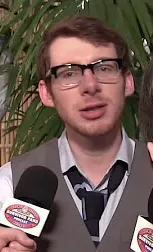
Photo: Elliott Brown from Birmingham, United Kingdom, CC BY 2.0, via Wikimedia Commons
Picture this: a new reality show drops its cast reveal. There's someone with an immediately quotable personality who the edit will clearly position as the villain. There's a quiet, underestimated contestant who you can already tell is going to surprise everyone. There's the funny one. The emotional one. The one who keeps saying they're "playing the game" in a way that suggests they have never actually seen the game.
You've met all of them before. On a different show. Maybe ten different shows. And yet — be honest — you're already picking favorites.
This is not a coincidence. It is, according to people who work in casting, essentially a science. Reality TV doesn't just find interesting people. It selects for specific emotional functions and then builds a cast the way a screenwriter builds a scene — making sure every archetype is accounted for before the cameras roll.
The Roster They're Always Building
Casting directors across formats will rarely admit this on record, but the archetypes are consistent enough that they've basically become industry shorthand. Let's walk through the starting lineup.
The Villain is the most valuable player in any cast. Not because audiences love to hate them (though they do), but because they generate conflict that doesn't require producer intervention to sustain. A well-cast villain creates drama organically. They're often not actually malicious — they're competitive, blunt, or just socially unaware in ways that read as threatening on camera. "We're not looking for evil," one former casting associate explained. "We're looking for someone who won't back down. That's the engine."
The Underdog is the emotional anchor. They're the contestant audiences invest in, root for, and feel protective of. Casting directors specifically look for people with a compelling personal narrative — a hardship, a comeback story, something that makes a viewer say they deserve this. The underdog's function is to give the audience a reason to keep watching even when the show gets repetitive.
The Comic Relief is the pressure valve. Long competition formats especially need someone who can cut tension without derailing the drama. Casting here looks for warmth and timing — someone funny who also gets along with everyone, because a divisive comedian breaks the dynamic.
The Dark Horse is the sleeper — someone who looks like background filler in episode one but quietly builds momentum. This archetype often wins, which is why casting directors say they're specifically looking for people who are "more than they appear." The dark horse keeps audiences second-guessing their predictions.
The Wildcard is the unpredictable one — the person nobody, including production, is entirely sure about. They're a risk and a reward. When a wildcard works, they become the most talked-about person of the season. When they don't, they're an early edit.
Why the Formula Keeps Working on Us
Here's the uncomfortable truth: we know these archetypes exist. Reality TV has been on the air long enough that even casual viewers can identify them by episode two. And yet the emotional hooks still land. Why?
Part of it is casting skill. The best casting directors aren't just filling slots — they're finding real people who genuinely embody these functions. The villain isn't acting. The underdog's story is true. The emotional investment we feel is real even when the structure producing it is entirely manufactured.
"The formula works because the people are real," said one casting consultant who has worked on multiple network competition shows. "You're not watching a character. You're watching a person who happens to fit a role. That's the magic of it."
But there's also something more psychological happening. These archetypes map onto storytelling structures humans have responded to for centuries. The underdog hero, the obstacle-creating antagonist, the surprising champion — these are narrative patterns that predate television by a few thousand years. Reality TV didn't invent them. It just found a way to cast them with real people and call it unscripted.
The Castability Question
So what actually makes someone "castable" beyond fitting one of these molds?
Producers and casting directors consistently point to a few traits that transcend archetype. Specificity is huge — not just "funny" but funny in a particular, memorable way. Self-awareness matters too, though perhaps counterintuitively: the best reality TV contestants are self-aware enough to be compelling but not so self-aware that they become guarded and boring on camera.
Camera comfort is enormous and often underestimated. "Some incredibly interesting people just disappear on screen," one casting director noted. "And some people who seem ordinary in the interview become completely magnetic when the camera's on. That's not something you can coach."
There's also the question of emotional availability — whether someone can access and express their feelings in real time, under pressure, with a crew watching. This is why reality TV casts skew younger and why certain personality types keep appearing. Not because producers are lazy, but because the format genuinely selects for specific human traits.
The Recycling Problem (And Whether It's Actually a Problem)
The critique of reality TV casting formulas usually goes like this: networks are manufacturing fake diversity by casting the same ten personality types across a rotating set of faces. The "real" in reality TV is a marketing claim, not a description.
That critique has merit. When you watch five different competition shows and the same emotional beats hit in the same order, you're not watching unscripted television — you're watching a template with interchangeable humans plugged in.
But the counter-argument is also worth sitting with: these archetypes persist because they reflect something true about how people actually behave in high-stress, high-stakes social environments. Competition brings out underdogs. Pressure creates villains. Adversity generates dark horses. The casting formula might be less about manufacturing drama and more about efficiently identifying the people most likely to naturally produce it.
The real question isn't whether the formula exists. It clearly does. The question is whether knowing about it changes anything — and based on every season premiere that trends on social media, the answer seems to be: not really.
We see the villain coming. We root for the underdog anyway. We're surprised by the dark horse every single time. Maybe that's manipulation. Or maybe that's just good TV doing exactly what good TV has always done — making us feel things we already knew were coming.